
שגרת בריאות לפעוטות מאושרים
שגרת בריאות לפעוטות מאושרים
A Foundation Of Daily Stability
Healthy routines give toddlers a sense of safety and predictability. When children know what to expect each day, they feel more secure and confident. Simple habits like consistent wake-up times, regular meals, and bedtime routines help regulate emotions and behavior.
A structured day doesn’t mean a strict schedule — it means creating gentle rhythms that support your child’s natural growth and comfort.

Emotional Balance Begins at Home
Toddlers experience big emotions in small bodies. Daily routines help them manage excitement, frustration, and tiredness. Regular meal times, outdoor play, and quiet moments throughout the day create balance and reduce stress.
When children feel emotionally supported, they become calmer, more cooperative, and more open to learning.
2. Healthy Eating & Active Play
Nutritious meals and physical activity are essential parts of a happy routine. Offering balanced meals with fruits, vegetables, proteins, and whole grains gives toddlers the energy they need to explore and grow.
Learning Through Everyday Moments
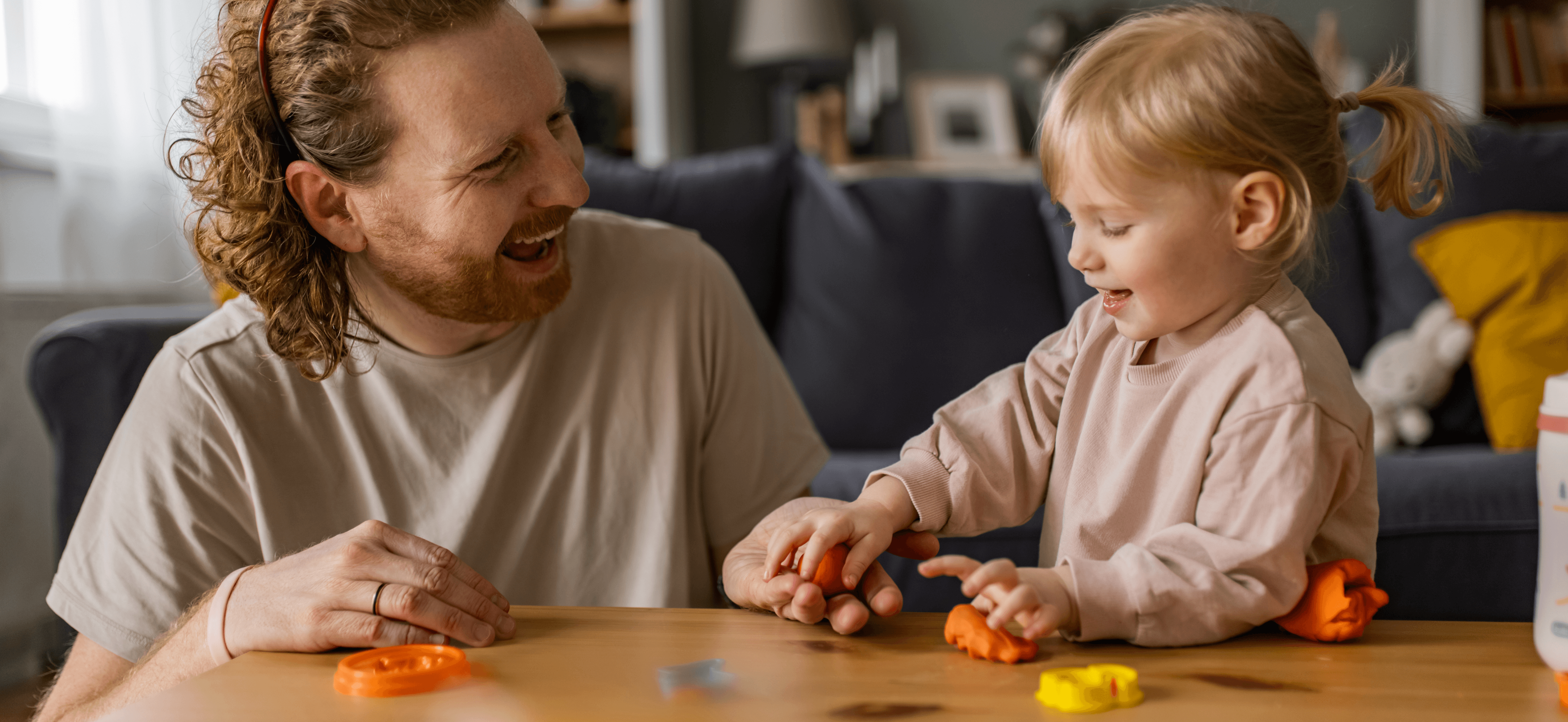
Daily routines also create opportunities for learning. Simple activities like brushing teeth, cleaning up toys, or reading before bed help build responsibility and independence.
Children learn language skills during conversations at mealtime and problem-solving skills during play. These small, consistent moments build strong foundations for future success.
Creating a Calm Bedtime Routine
Quality sleep is essential for growth and emotional regulation. A calming bedtime routine — such as a warm bath, storytime, and soft music — signals to your child that it’s time to rest.
When toddlers get enough sleep, they wake up refreshed, focused, and ready for a new day of discovery.
A Foundation Of Daily Stability
Healthy routines give toddlers a sense of safety and predictability. When children know what to expect each day, they feel more secure and confident. Simple habits like consistent wake-up times, regular meals, and bedtime routines help regulate emotions and behavior.
A structured day doesn’t mean a strict schedule — it means creating gentle rhythms that support your child’s natural growth and comfort.
Emotional Balance Begins at Home
Toddlers experience big emotions in small bodies. Daily routines help them manage excitement, frustration, and tiredness. Regular meal times, outdoor play, and quiet moments throughout the day create balance and reduce stress.
When children feel emotionally supported, they become calmer, more cooperative, and more open to learning.
2. Healthy Eating & Active Play
Nutritious meals and physical activity are essential parts of a happy routine. Offering balanced meals with fruits, vegetables, proteins, and whole grains gives toddlers the energy they need to explore and grow.
Learning Through Everyday Moments
Daily routines also create opportunities for learning. Simple activities like brushing teeth, cleaning up toys, or reading before bed help build responsibility and independence.
Children learn language skills during conversations at mealtime and problem-solving skills during play. These small, consistent moments build strong foundations for future success.
Creating a Calm Bedtime Routine
Quality sleep is essential for growth and emotional regulation. A calming bedtime routine — such as a warm bath, storytime, and soft music — signals to your child that it’s time to rest.
When toddlers get enough sleep, they wake up refreshed, focused, and ready for a new day of discovery.